
Planning AV for a Las Vegas venue: load-in, power and COIs
Las Vegas venues run tight dock schedules and strict paperwork, and none of it is negotiable on the day. What a certificate of insurance is, what power to ask for, how load-in windows work, and the questions to ask before you sign anything.
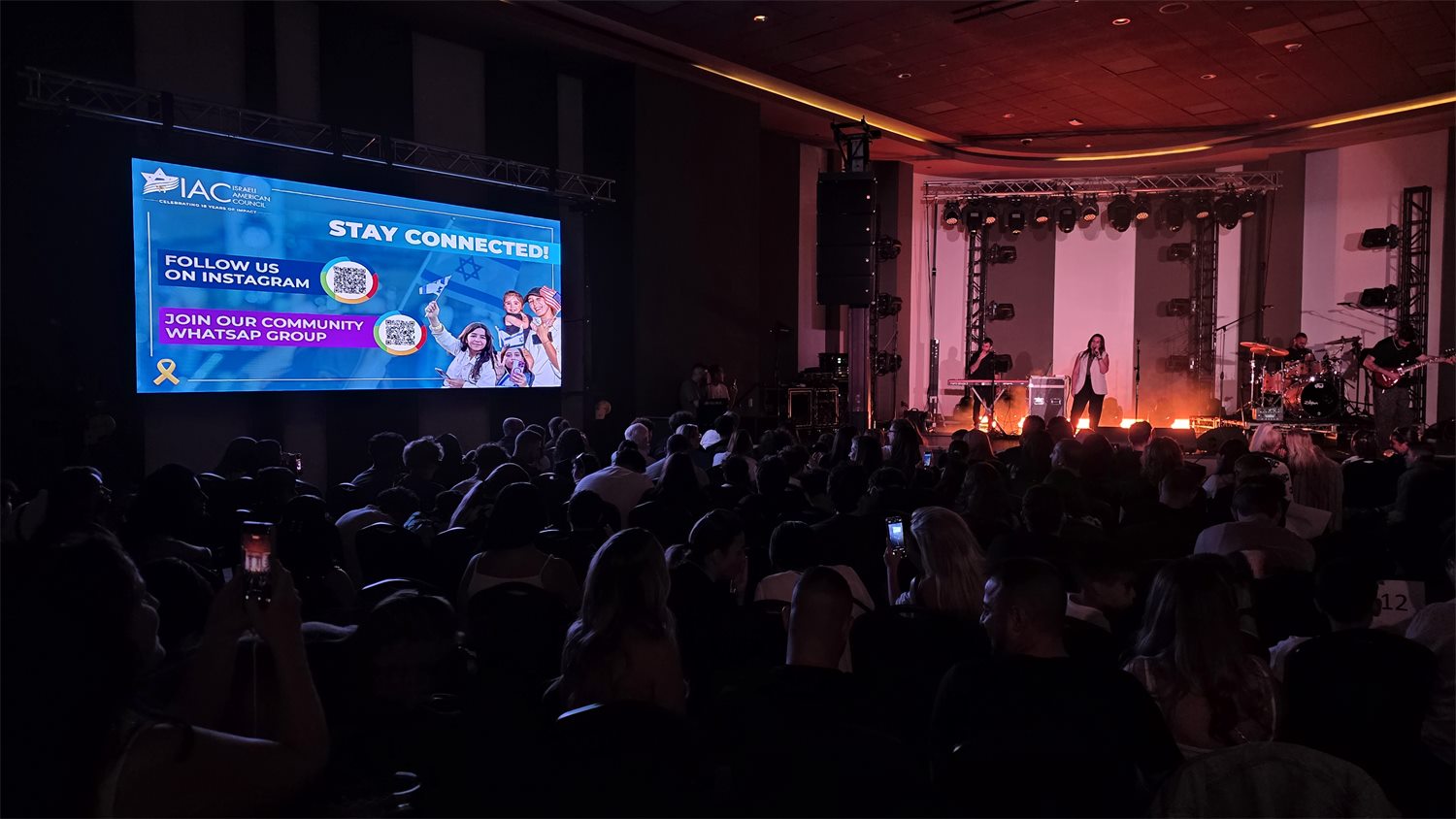
Las Vegas is not a normal AV market
The hotels and convention centers here run more events per week than most cities run in a month, and they manage it with process. Docks are booked in slots. Unions cover some rooms. Paperwork is checked at the door. The good news is that the process is predictable — if you know it, everything runs. If you do not, you find out at 7am on the day with a truck waiting.
The certificate of insurance (COI)
A COI is a one-page document from your vendor's insurer confirming they carry cover, and naming your venue as an additional insured for the date. Almost every Las Vegas hotel, convention space and country club requires one before a vendor is allowed on site.
What a venue typically wants to see:
- General liability — commonly $1M per occurrence, $2M aggregate.
- Workers' compensation — covering the crew doing the build.
- Commercial vehicle cover — for the truck at the dock.
- The venue named exactly — legal entity name, not the trading name. Get the wording from the venue and pass it to the vendor verbatim.
Ask for the COI two to three weeks out, not the week of. Insurers take days, and a certificate with the venue name spelled wrong is refused at the dock.
If a vendor hesitates when you ask for a COI, that tells you something important about the vendor.
Load-in windows and why they are so short
Ballrooms turn over. The room you are in was another event yesterday and will be another tomorrow, so your access window is often four to six hours before doors, and sometimes overnight.
Realistic build times, so you can check the window is honest:
| Element | Build time |
|---|---|
| Single LED wall, ground supported | ~90 minutes |
| LED DJ booth with a wall behind | 2–3 hours |
| 20 × 12 ft stage, skirted | ~2 hours |
| Truss lighting rig | 2–3 hours |
| Line array PA, rigged and tuned | 3–4 hours |
Those run in parallel with enough crew, but not infinitely — you cannot fly lighting over a stage that is not built. Sequence matters: rigging points first, then staging, then screen and lighting, then audio, then tuning.
Things that quietly consume your window: the dock queue, a single service lift shared with catering, long carries from dock to room, and a room that is not clear when you arrive. Ask the venue when the room is genuinely empty, not when your contract says access starts.
Power: the conversation to have early
Venues charge for power and need notice to provide it. Asking on the day is expensive, and sometimes impossible.
Rough guidance for planning:
- A 3 × 2 m LED wall runs comfortably on one standard 20 A circuit.
- A larger wall or a booth-plus-wall typically wants two or three dedicated 20 A circuits.
- A moving-head lighting rig needs its own circuits — do not share with audio.
- A line array PA wants dedicated clean power, on the same electrical phase as the rest of the audio to avoid hum.
Two rules that prevent most problems: never share a circuit between lighting and audio, and never run production off the same circuits as catering. A convection oven and a mixing console on one breaker is a story every AV tech has.
When we quote, the power requirement is on the quote — a written list you can hand to the venue, before the day rather than on it.
Rigging: can you hang anything at all?
Many Las Vegas ballrooms have rigging points, and many have rules about who may use them — sometimes only the in-house rigger, at their rate. Some rooms prohibit flying entirely.
That is a real constraint, and it is why we carry free-standing truss totems as well as flown truss, and ground support for every LED wall. Nothing we supply has to be flown. Ask the venue early: can we rig, who may rig, and at what cost? The answer changes the design, not just the price.
The questions to ask your venue
Copy this into the email:
- What is our load-in window, and when is the room genuinely clear?
- Which dock, and is there a booking system for dock slots?
- Doorway and service-lift dimensions on the route to the room?
- Clear ceiling height under the lowest obstruction?
- Can we rig from the ceiling, and who is permitted to?
- What power is available in the room, and what does it cost?
- Is labour in this room union, and does that cover AV?
- Exact COI wording and insured entity name?
- What time must we be fully struck and out?
Strike is part of the plan
Everyone plans the build and forgets the strike. Venues charge overtime past your out time, and a room that must be clear by 2am means the crew starts breaking down while your last guests are still saying goodbye. Agree what comes down when, and whether anything can stay overnight for collection in the morning — many rooms allow it, and it makes the end of the night far calmer.
The short version
Get the COI early with the venue's exact legal name. Confirm the load-in window against realistic build times. Put the power requirement in writing weeks ahead. Ask about rigging before the design is settled. Plan the strike as carefully as the build.
We handle all of this as a matter of course, because we work in these rooms every week — but the planner who knows the questions gets a better event out of every vendor, not just us.